Frequently Asked Questions
What are the benefits of using braided rope?
The benefits of using braided rope include increased strength, durability, and flexibility compared to other rope types, making it suitable for a wide range of applications that require high-performance and reliable ropes.
What materials do rope manufacturers typically use?
Rope manufacturers typically use a variety of materials, including natural fibers like cotton, hemp, and sisal, as well as synthetic materials like nylon, polyester, and polypropylene, depending on the specific application and performance requirements of the rope.
How do rope manufacturers ensure product quality?
Rope manufacturers ensure product quality through strict quality control measures, such as thorough material inspections, rigorous testing, and ongoing monitoring of production processes to maintain industry standards and customer satisfaction.
What is the process of rope manufacturing?
The process of rope manufacturing typically involves braiding or twisting together fibers, such as natural or synthetic materials, to create a strong and durable rope product.
Is Canadian made rope suitable for rock climbing?
Canadian-made rope can be suitable for rock climbing, as it is often manufactured to meet or exceed industry safety standards for durability and strength required for this application.
What is the main purpose of using braided rope?
The main purpose of using braided rope is to provide superior strength, flexibility, and durability for a wide range of applications, making it a versatile choice for industries such as marine, construction, and more.
Is braided rope stronger than regular rope?
Braided rope is generally stronger than regular rope due to its tighter and more intricate weave, which distributes tension more evenly and creates a stronger overall structure.
What materials are used in Canadian made rope?
The materials used in Canadian-made rope typically include high-quality natural fibers such as nylon, polyester, and hemp, as well as synthetic materials like polypropylene, to ensure durability and versatility for various applications.
What certifications do rope manufacturers need?
Rope manufacturers need certifications that demonstrate compliance with industry standards for safety, quality, and performance of their products, ensuring the ropes meet the required specifications for their intended applications.
Can I customize Canadian made rope to my needs?
Yes, Braids & Laces Limited offers custom-made rope products to meet your specific requirements. The company specializes in creating high-quality, durable ropes in Canada, allowing you to customize the material, size, and other features to suit your needs.
Is Canadian made rope durable for heavy lifting?
Canadian-made rope is highly durable and suitable for heavy lifting applications due to the quality materials and manufacturing processes used by reputable companies like Braids & Laces Limited.
What is the best Canadian made rope for outdoor activities?
For outdoor activities, Braids & Laces Limited offers a wide selection of high-quality, custom-made Canadian ropes suitable for various applications, emphasizing durability and performance.
What applications are best for braided rope?
Braided rope is well-suited for a variety of applications, including marine, industrial, and outdoor uses due to its strength, durability, and versatility. Braided ropes are commonly used for mooring, towing, climbing, and general rigging purposes.
How does braided rope compare to twisted rope?
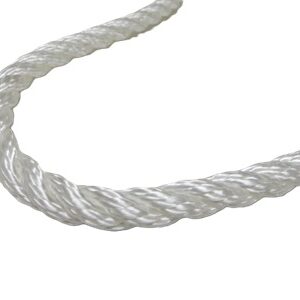
Braided rope is generally more flexible, durable, and less prone to kinking compared to twisted rope, making it a preferred choice for various applications where strength and flexibility are important.
What tests ensure braided rope strength?
Braided ropes undergo various tests to ensure their strength, including tensile strength, abrasion resistance, and UV exposure assessments, ensuring consistent quality and durability for diverse applications.
What are the typical colours of Canadian made rope?
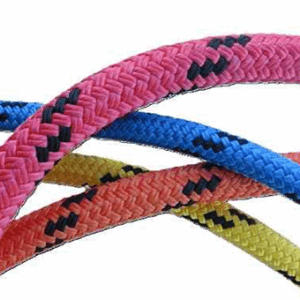
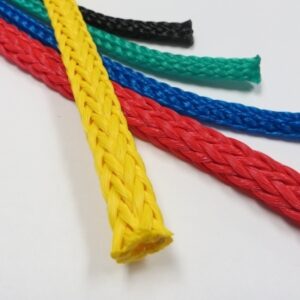
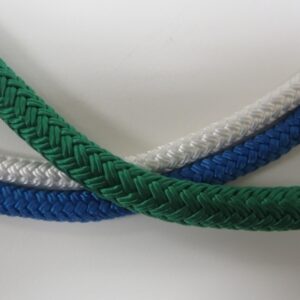
The typical colours of Canadian-made rope include natural fibre tones like beige, tan, and brown, as well as brighter shades like red, blue, and yellow, which are commonly used for visibility and safety purposes.
How does climate affect rope durability?
The climate's environmental factors, such as temperature, humidity, and exposure to UV rays, can impact the durability and lifespan of ropes. Extreme weather conditions can cause ropes to deteriorate more quickly, necessitating proper storage and maintenance to ensure optimal performance.
What are common uses for durable rope?
Durable ropes are commonly used for a variety of applications, including construction, sailing, industrial rigging, rock climbing, and outdoor recreation, among others, due to their strength and durability.
Can braided rope be recycled after use?
Braided rope can be recycled after use. Many recycling programs accept used rope, which can be repurposed into new products, helping reduce waste and promote sustainability.
What safety standards apply to rope products?
The safety standards that apply to rope products ensure their durability, strength, and reliability for various applications, including compliance with industry regulations and best practices.
How do I properly store braided rope?
Properly storing braided rope involves keeping it in a dry, well-ventilated area, avoiding direct sunlight, and coiling it loosely to prevent kinks or creases. Avoid exposing the rope to chemicals or heavy loads during storage.
What sizes are available for Canadian made rope?
Braids & Laces Limited offers a wide range of sizes for their Canadian-made ropes, catering to various applications and customer requirements. The rope sizes span from small diameters up to large commercial-grade ropes.
What are the advantages of custom rope designs?
The advantages of custom rope designs are that they can be tailored to specific applications, ensuring optimal performance and safety, while also allowing for unique branding or aesthetic considerations.
What industries commonly use braided rope?
Braided ropes are commonly used in a variety of industries, including marine, construction, mining, arboriculture, and sports and recreation, due to their strength, durability, and versatility.
Can braided rope withstand extreme temperatures?
Braided ropes can withstand a wide range of temperatures, making them suitable for use in various extreme weather conditions. The materials and construction of braided ropes allow them to maintain their strength and durability even in extreme hot or cold environments.
What maintenance is required for braided rope?
The maintenance required for braided rope includes regular inspection for wear and tear, avoiding exposure to chemicals or excessive heat, and proper storage when not in use to ensure the rope's longevity and safety.
How is braided rope typically packaged for sale?
Braided rope is typically packaged for sale in coils or spools, allowing for easy handling and storage by customers. The rope is neatly wound and secured to maintain its shape and condition during transportation and display.
What new technologies improve rope manufacturing?
New technologies that improve rope manufacturing include advanced fiber processing, automated braiding machines, and computer-controlled tension control systems, enabling greater precision, efficiency, and product quality.
What are the weight limits for braided rope?
The weight limits for braided rope vary depending on the rope's thickness, material, and application. Our team can provide specific recommendations based on your usage requirements to ensure the rope meets your safety needs.
How to identify quality Canadian made rope?
To identify quality Canadian-made rope, look for products that feature a "Made in Canada" label, are constructed with durable materials, and have a smooth, uniform texture.