Nylon Rope Uses: Strength and Versatility
August 26, 2026
Nylon rope delivers high strength-to-weight performance, superior shock absorption, and abrasion resistance, making it ideal for towing, marine mooring, and certain industrial applications. Nylon ranks among the strongest common rope fibers, stretching under load to absorb sudden forces.
Key Takeaways
- Nylon rope is strong, flexible, and abrasion-resistant, but its performance depends on diameter, construction, condition, and the specific product.
- Its relatively high elongation can help absorb dynamic loads, which is useful for dock lines and other applications involving surging or movement.
- Rope selection must be based on the manufacturer’s specifications, working-load guidance, and the hazards of the application.
What makes nylon rope so strong?
Nylon rope derives its exceptional strength from the molecular structure of the synthetic fiber itself. Nylon is one of the strongest of the most common rope fibers, significantly outperforming polypropylene, polyethylene, and organic alternatives. This makes it the go-to choice for applications requiring a strong nylon ropethat can handle heavy loads without failure. Breaking strength and elongation vary with rope diameter, braid or twist construction, manufacturing quality, splices, knots, wear, temperature, moisture, and loading history.
What construction methods maximize nylon rope strength?
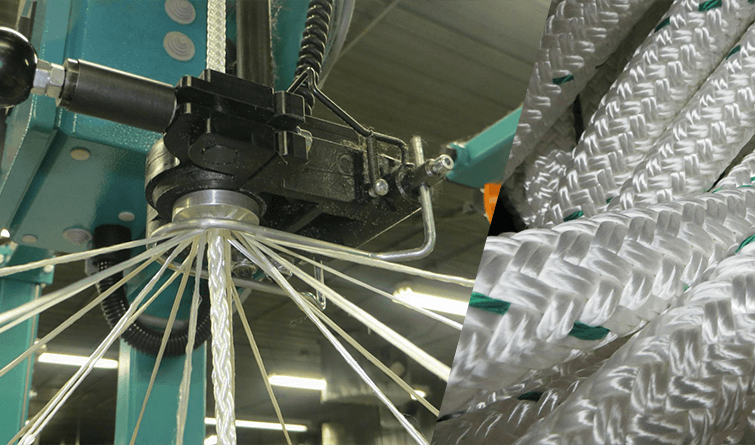
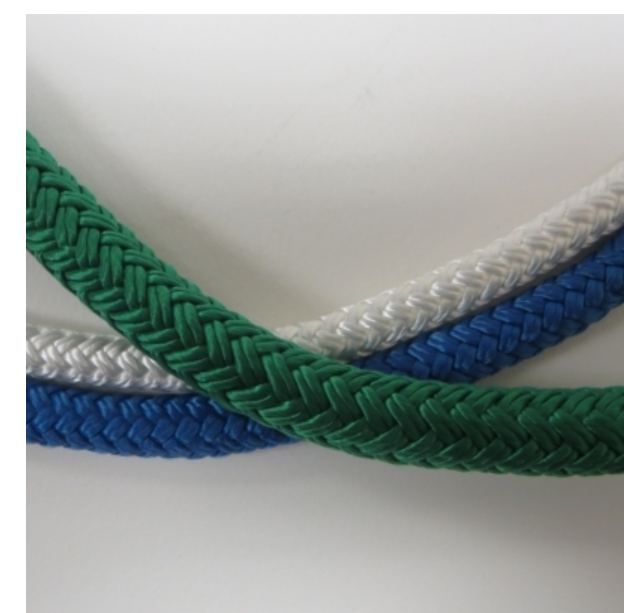
Double braid ropes generally have a higher break strength than twisted ropes. 12 strand rope have an even higher strength than double braid. These constructions suit the demanding industrial environments where sudden tension spikes occur regularly.
Why does nylon’s stretch improve safety?
The high elongation characteristic of nylon rope usesprovides built-in shock absorption. When a load jerks or drops, the rope stretches and dissipates energy rather than transmitting the full force to anchors or equipment. This reduces peak forces by up to 30%, protecting both personnel and gear during towing, recovery, and rigging operations. Users should be cautioned that a nylon rope that us pulled to it maximum strength will have a massive recoil, when it fails, due to stored energy in the rope. Rope should always be sized according to specific uses.
Why does stretch matter for towing and mooring?
Nylon’s high stretch factor provides elasticity useful for applications like towing and mooring where sudden loads occur. A boat surging against a dock line or a vehicle jerking during a pull generates force spikes that exceed the rope’s static rating. Strong nylon ropeabsorbs that energy through elongation rather than transferring the full impact to the attachment point. The result is fewer broken lines, less gear damage, and reduced risk of injury from whiplash or recoil.
When should you choose nylon over polyester?
Choose nylon when energy absorption and flexibility are important, provided the rope is designed for the application. Choose polyester when lower stretch, lower water absorption, and better dimensional stability or sunlight resistance are priorities. Neither fiber is universally better; construction and product specifications are just as important as material.
How does nylon handle wet conditions compared to polyester?
Nylon maintains more than 90% of its tensile strength after prolonged water immersion. This property makes strong nylon ropeessential for marine applicationswhere ropes stay wet for extended periods. Polyester loses less strength when wet but lacks nylon’s shock-absorbing capability. For dock lines and anchor ropes that experience sudden tension changes, nylon’s wet-performance advantage prevents catastrophic failure.
What makes nylon better for shock loading?
Nylon functions as an elastic rope, stretching 15-30% under load to absorb energy from sudden impacts. This characteristic reduces peak forces by up to 30% during recovery operations, towing, and mooring. For nylon rope usesinvolving dynamic loads—such as, tow ropes and marine applicationsthis elasticity prevents equipment damage and improves safety margins.
Braids & Laces Limited manufactures rope products in different fibers, sizes, and constructions. Customers should discuss the intended use, loading, environment, hardware, and applicable standards with the manufacturer before selecting a rope for a safety-critical application.
Nylon rope remains an indispensable choice across industries where durability, strength, and reliability matter most. Its proven performance in demanding environments from construction sites to marine applications reflects decades of engineering refinement. At Braids and Laces Limited, we manufacture nylon rope with the same commitment to quality that has defined our Canadian operation for generations. Whether you need dependable industrial cordage or specialized rigging solutions, nylon delivers the consistent performance your projects demand.
FAQ
What are the best uses for nylon rope?
Nylon rope is commonly used for dock lines, anchor lines, general-purpose cordage, and selected industrial applications where flexibility and energy absorption are useful. The finished product must be rated for the intended task.
Does nylon rope perform well when wet?
Yes, nylon rope retains over 90% of its strength after water immersion. This wet performance makes it a reliable choice for marine mooring and other moisture-heavy applications.
Why choose Braids and Laces Limited for nylon rope?
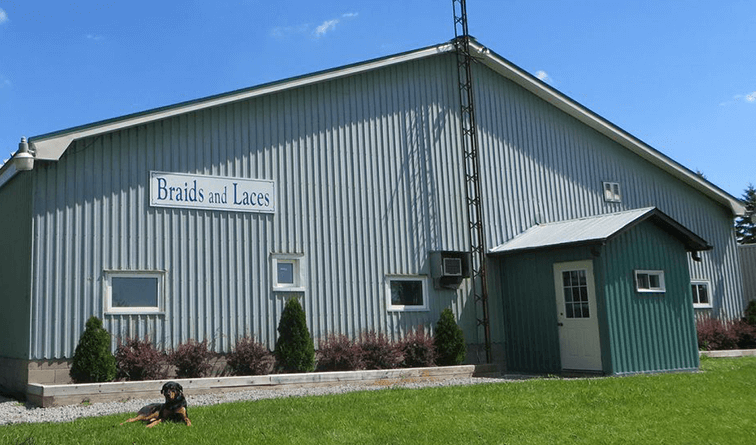
Braids and Laces Limited, based in Cannington, Ontario, Canada, employs 30 people manufacturing braided rope products including nylon, UHMWPE, Kevlar, polyester, and more for procurement teams needing Canadian-made rope solutions.