Custom Rope Manufacturing Services for Unique Needs
January 30, 2026
Custom rope manufacturing services cater to a diverse range of applications, providing tailored solutions for unique needs across various industries. This article explores the key materials, designs, and processes involved in custom rope manufacturing, highlighting how these elements contribute to high-performance ropes and specialty cordage. Readers will gain insights into the benefits of different materials, the importance of design in functionality, and the specific applications of custom ropes in marine, arborist, and industrial settings. Understanding these aspects can help businesses and individuals make informed decisions when selecting custom rope solutions that meet their specific requirements.
What Are the Key Materials Used in Custom Rope Manufacturing?
Custom rope manufacturing relies on a variety of materials, each offering distinct properties that enhance performance and suitability for specific applications. The primary materials include natural fibers, synthetic materials, and advanced composites, each contributing unique benefits to the final product.
How Do Dyneema and Kevlar Enhance Rope Performance?
Dyneema and Kevlar are two advanced synthetic fibers that significantly enhance rope performance. Dyneema, known for its exceptional strength-to-weight ratio, allows for lighter ropes that do not compromise on durability. This makes it ideal for applications requiring high tensile strength without the bulk. Kevlar, on the other hand, is renowned for its heat resistance, high tensile strength, and durability, making it suitable for ropes used in harsh environments. Together, these materials provide ropes that are not only strong but also versatile, catering to various industrial and specialty needs.
What Are the Benefits of Natural Fibers and Synthetic Materials?
Natural fibers, such as hemp and cotton, offer sustainability and biodegradability, making them an eco-friendly choice for certain applications. They provide good grip and flexibility, which can be advantageous in specific uses. However, synthetic materials like nylon and polyester are often preferred for their superior strength, resistance to moisture, UV resistance, and longevity. The choice between natural and synthetic fibers ultimately depends on the specific requirements of the application, including environmental conditions and performance expectations.
Which Custom Rope Designs and Constructions Meet Unique Industry Needs?
The design and construction of custom ropes play a crucial role in their performance and suitability for various applications. Different fabrication techniques can enhance the strength, flexibility, and overall functionality of the ropes.
What Are the Advantages of Braided and Double Braid Rope Fabrication?
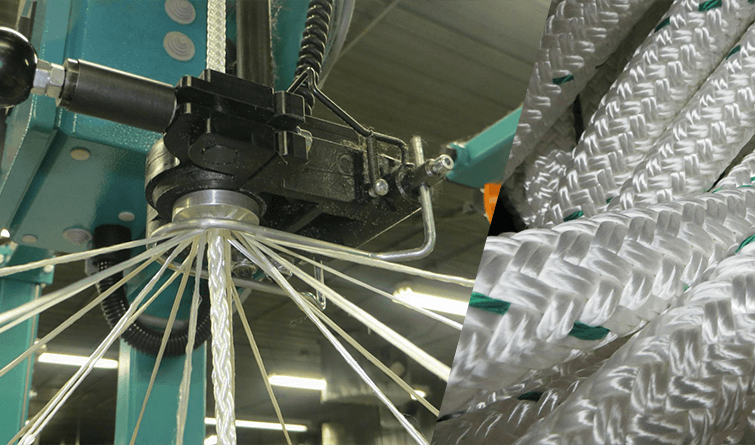
Braided and double braid rope fabrication techniques offer distinct advantages. Braided ropes are known for their flexibility and ease of handling, making them suitable for applications where maneuverability is essential. Double braid ropes, on the other hand, provide enhanced strength and durability due to their construction, which consists of an inner core and an outer sheath. This design allows for better load distribution and resistance to abrasion, making double braid ropes ideal for heavy-duty applications.
How Does Rope Splicing Improve Custom Rope Functionality?
Rope splicing is a critical technique that enhances the functionality of custom ropes. By joining two ends of a rope without the use of hardware, splicing creates a seamless connection that maintains the rope’s strength. Various splicing methods, such as eye splices and short splices, can be employed depending on the intended use. This technique not only improves the durability of the rope but also allows for customization in length and configuration, making it a valuable option for specialized applications.
How Are Custom Ropes Tailored for Marine, Arborist, and Industrial Applications?
Custom ropes are designed to meet the specific needs of various industries, including marine, arborist, and industrial sectors. Each application has unique requirements that dictate the choice of materials, designs, and manufacturing processes.
What Custom Rope Solutions Serve Marine and Offshore Industries?
In marine and offshore industries, custom ropes must withstand harsh environmental conditions, including saltwater exposure and UV radiation. Ropes made from synthetic materials like polyester and nylon are commonly used due to their resistance to moisture, UV degradation, and abrasion. Additionally, features such as buoyancy and low stretch are critical for applications like mooring and towing, where performance and reliability are paramount.
How Are Arborist and Industrial Ropes Customized for Safety and Durability?
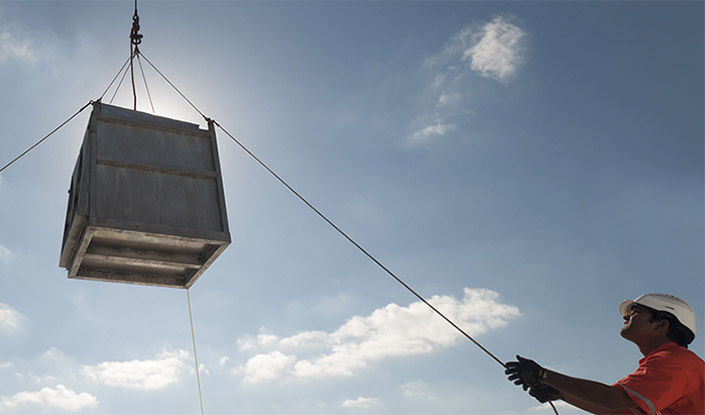
Arborist and industrial ropes require specific customization to ensure safety and durability. Arborist ropes, for instance, must meet stringent safety standards such as those set by the International Society of Arboriculture (ISA) to protect workers during tree climbing and rigging operations. These ropes often incorporate features such as high visibility, low stretch, and impact resistance to enhance safety. Industrial ropes, used in lifting and rigging applications, are designed for maximum strength and durability, often featuring additional protective coatings to resist wear and tear.
What Is the Process for Ordering and Manufacturing Custom Ropes in Canada?
The process of ordering and manufacturing custom ropes involves several key steps, ensuring that the final product meets the specific needs of the customer.
How Does the Custom Rope Design and Prototyping Process Work?
The custom rope design and prototyping process begins with a thorough consultation to understand the client’s requirements. This includes discussing the intended application, desired materials, and performance specifications. Once the design is finalized, prototypes are created to test the rope’s performance under real-world conditions. This iterative process allows for adjustments and refinements before the final product is manufactured.
What Quality Assurance and Delivery Options Are Available?
Quality assurance is a critical aspect of the custom rope manufacturing process. Rigorous testing is conducted to ensure that the ropes meet industry standards and customer specifications. Delivery options vary based on the client’s needs, with options for expedited shipping available for urgent orders. This commitment to quality and customer service ensures that clients receive reliable and high-performance custom ropes tailored to their specific applications.