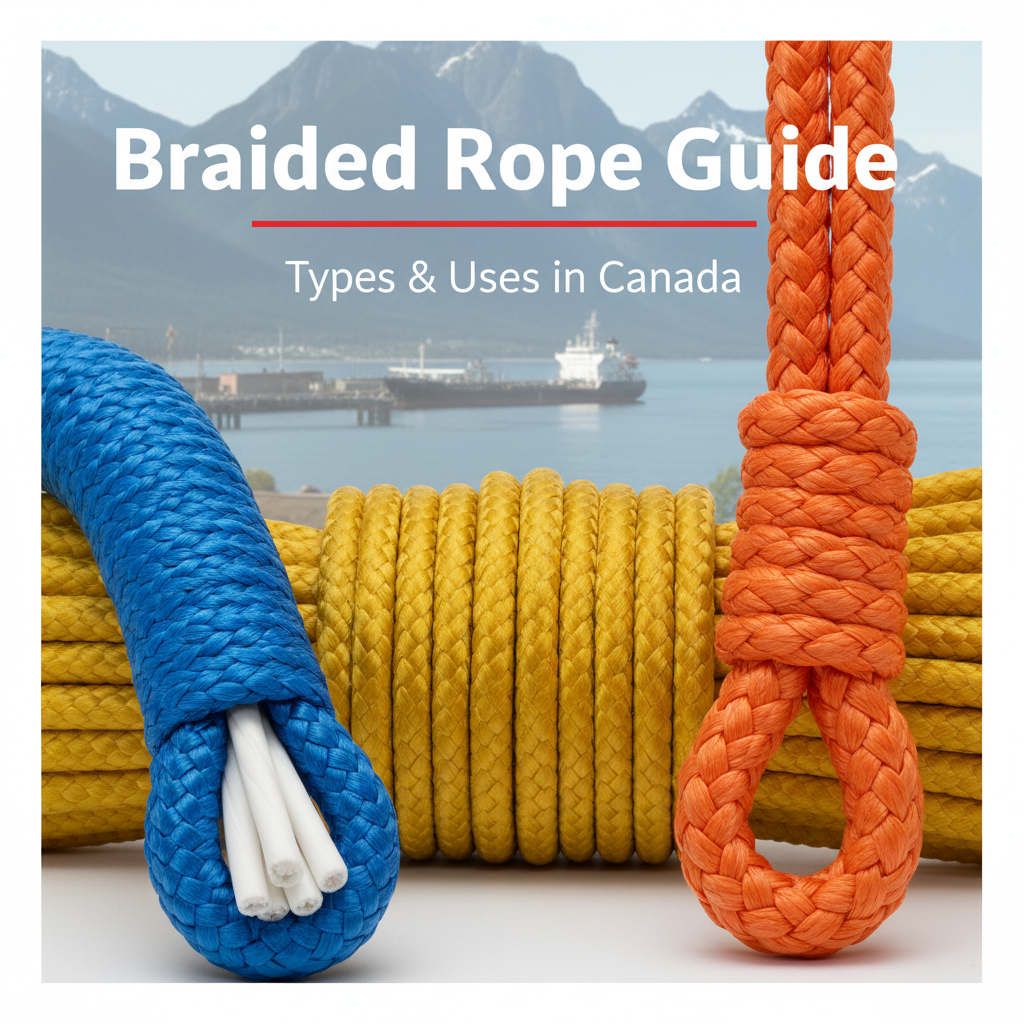
Braided Rope Types and Their Unique Uses
January 30, 2026
Braided ropes are essential tools in various industries and recreational activities, known for their strength, flexibility, and durability. This comprehensive guide explores the different types of braided ropes, their unique characteristics, and their specific applications. Understanding these ropes can help you make informed choices for your projects, whether in marine, industrial, or recreational settings. Many users struggle with selecting the right type of rope for their needs, leading to inefficiencies and safety concerns. This guide aims to provide clarity on braided rope types, materials, and selection criteria, ensuring you find the perfect rope for your requirements. We will cover the main types of braided ropes, the materials used, how to select the right rope for various applications, and unique uses along with maintenance tips.
What Are the Main Types of Braided Rope and Their Characteristics?
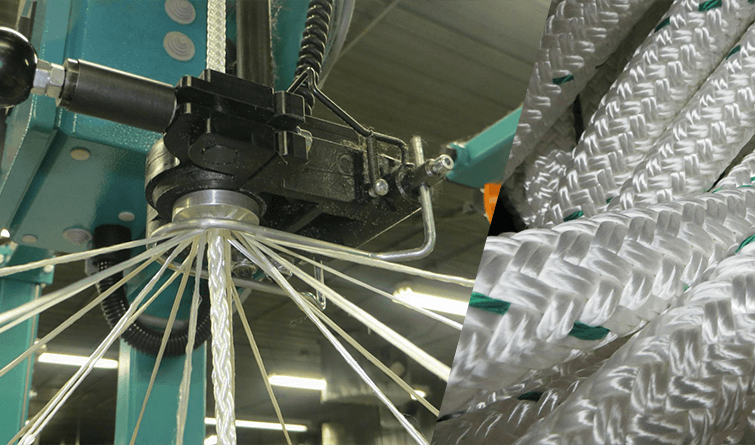
Braided ropes interweave strands for superior strength over twisted varieties, resisting kinking and offering smooth handling. Key types include:
Double Braided Rope
- Construction: Inner core braided inside an outer sheath (typically 12- or 24-strand)
- Key Features: Exceptional tensile strength (up to 2x single braid), low stretch, abrasion-resistant cover protects core from UV/salt damage
- Best Uses: Heavy marine towing (pairs with Lace Products’ Marine ropes), arbor climbing (Arbor Rope for visibility/safety), dynamic loads like tree rigging or dock lines
- Lace Products Fit: Perfect match for Custom Ropes industrial durability
Solid Braided Rope
- Construction: 8-16 strands braided tightly without core for dense profile
- Key Features: High abrasion resistance, moderate stretch, excellent grip
- Best Uses: Mooring lines, winching, heavy lifting—complements Cord & Twine for contractors
- Advantages: Runs smoothly through pulleys; Lace Products’ Ropes section offers similar styles
Hollow Braided Rope
- Construction: 12-16 strands forming tube-like core for easy splicing
- Key Features: Lightweight (often floats), torque-free, simple to inspect
- Best Uses: Fishing, water sports, custom splicing—ideal with Custom Ropes looped ends
- Lace Products Fit: Lightweight options for craft/industrial finishing
How to Select the Right Braided Rope for Marine and Industrial Applications in Canada?
Selecting the right braided rope for marine and industrial applications involves considering several factors, including the rope‘s material, construction, and intended use. Understanding these factors can help you choose a rope that meets your specific needs and ensures safety and efficiency.
What Factors Influence Marine Braided Rope Selection?
When selecting a marine braided rope, consider factors such as the rope‘s strength, stretch, and resistance to UV light and moisture. The environment in which the rope will be used is also crucial; for example, ropes exposed to saltwater require materials that resist corrosion and degradation. Additionally, the intended application, whether for towing, anchoring, or rigging, will influence your choice of rope.
Which Braided Ropes Are Best Suited for Industrial and Safety Uses?
For industrial and safety applications, selecting ropes with high tensile strength and low stretch is essential. Ropes made from HMPE or aramid fibers are often preferred due to their durability and resistance to wear. Additionally, consider the safety ratings and certifications of the ropes to ensure they meet industry standards. Common applications include lifting, towing, and safety harnesses, where reliability is paramount.
What Are the Unique Uses and Maintenance Tips for Braided Ropes?
Braided ropes have a wide range of unique uses beyond traditional applications. Understanding these uses and how to maintain your ropes can extend their lifespan and ensure optimal performance.
How Are Braided Ropes Used in Outdoor Recreation and Crafts?
In outdoor recreation, braided ropes are commonly used for activities such as camping, climbing, and fishing. They provide essential support and safety in various applications, from securing tents to creating fishing nets. Additionally, braided ropes are popular in crafting, where they can be used to create decorative items, jewelry, and functional pieces like keychains and bags.
What Are Best Practices for Caring for and Extending Braided Rope Lifespan?
- Clean Regularly: Remove dirt and debris after use to prevent abrasion.
- Store Properly: Keep ropes in a cool, dry place away from direct sunlight to prevent UV damage.
- Inspect Frequently: Check for signs of wear or damage before each use to ensure safety.
- Avoid Overloading: Adhere to the rope‘s weight limits to prevent breakage.